Always Lovely: A Cute, Natural Handwritten Font
There I was, staring at a blank brand board, trying to find the right visual voice for a new boutique coffee shop. The client wanted something warm, approachable, and just a little bit whimsical. After testing a few options, I landed on Always Lovely—a handwritten font that felt like a breath of fresh air in a sea of stiff, overly formal typefaces.
The Personality of Always Lovely
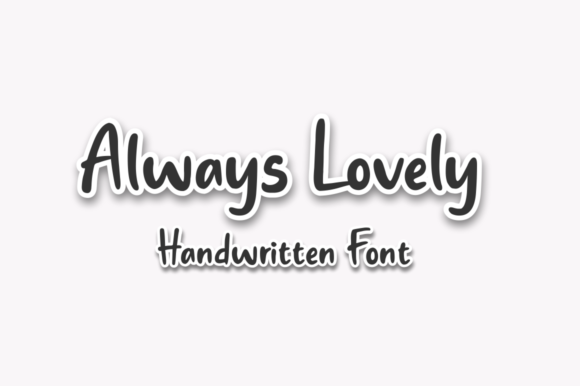
Always Lovely has this effortless charm that makes it feel like a friend you’ve known for years. Its strokes are soft, with subtle swashes and natural variations that give it a handcrafted feel. It’s not too bold, not too delicate—just right. This font is perfect for brands that want to convey authenticity without sacrificing style.
It’s especially good at adding a human touch to digital and print assets. Whether it’s a logo, packaging label, or social media graphic, Always Lovely brings a sense of warmth and personality that other fonts often lack.
Testing Always Lovely in Real Projects
I first used Always Lovely on a logo concept for the coffee shop. The font worked well as a headline, pairing nicely with a clean sans serif for the tagline. On a business card, it added a personal, handmade quality that made the brand feel more connected to its customers.
When I tried it on a packaging mockup, the font stood out without being overwhelming. It looked great on both light and dark backgrounds, and the subtle details held up even when scaled down for product labels. In web design, it made an excellent header font, especially for hero sections where a friendly, inviting tone is needed.
On social media, Always Lovely caught the eye without being too flashy. It worked well for Instagram posts, Facebook banners, and even Twitter headers, giving the brand a cohesive and recognizable look across platforms.
Strengths and Limitations
One of the biggest strengths of Always Lovely is its versatility. It can be used as a display font, a logo font, or even as an accent in a more complex typography system. Its natural flow makes it ideal for short phrases, headlines, and decorative elements.
However, it’s not the best choice for long body text. At smaller sizes, the curves and ligatures can make the text harder to read, especially in printed materials. For that reason, it’s best reserved for headlines, titles, and visual accents rather than main body copy.
It also doesn’t work as well in highly formal or corporate settings. If the brand needs to project professionalism and authority, a serif or sans serif font might be a better fit. But for creative, lifestyle, or artisanal brands, Always Lovely is a strong contender.
Pairing and Practical Tips
When pairing Always Lovely with other fonts, a clean, modern sans serif often works best. It provides contrast without clashing. A serif font can also be a nice complement, offering structure while letting the handwritten font shine.
If you’re using it in a multi-font system, consider using it as a highlight rather than the main text. That way, it maintains its impact without becoming distracting. Always test it in different sizes and contexts before finalizing any design.
Another thing to keep in mind is the licensing. Always Lovely is likely a commercial font, so make sure to check the license terms before using it in client projects, merchandise, or print-on-demand products. Some fonts have restrictions on resale or modification, so it’s always good to verify.
Final Thoughts on Always Lovely
Always Lovely is a great addition to any designer’s toolkit, especially for those working on branding projects that require a friendly, approachable aesthetic. It’s not a one-size-fits-all solution, but when used correctly, it can elevate a design with its unique character and charm.
Whether you're working on a café identity, a skincare brand, or a handmade shop, Always Lovely offers a fresh, natural alternative to more rigid typefaces. It’s a font that feels right at home in both digital and physical spaces, making it a valuable asset for creative professionals looking to add a personal touch to their work.