Typeline: A Cute Handwritten Font for Business
As a small business owner, I know how important it is to create a consistent and professional brand image. That’s why I’ve found Typeline to be such a valuable addition to my design toolkit. This cute and simple lettered handwritten font adds a personal touch to everything from logos to social media posts, making it perfect for businesses that want to stand out while maintaining a polished look.
What Makes Typeline Special
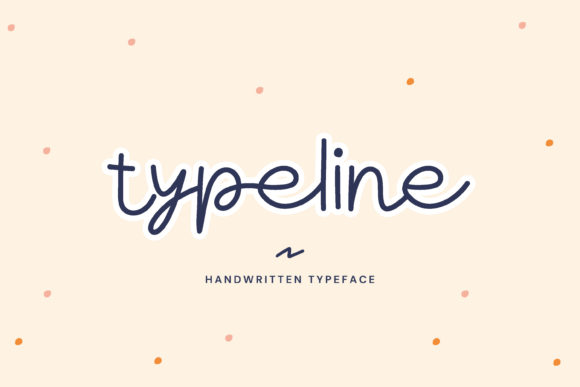
Typeline has a sweet and lively style that brings energy to any design. Its handwritten feel gives it a friendly, approachable vibe, which is great for brands targeting customers who value authenticity and creativity. Whether you're designing a logo or creating marketing materials, this font adds character without being overwhelming.
The personality of Typeline makes it ideal for businesses in industries like food, beauty, wellness, and handmade products. Its visual appeal can help your brand feel more connected to your audience, whether you're running a bakery, a boutique, or a coaching service.
Real-World Applications for Typeline
One of the biggest benefits of Typeline is its versatility. It works well as a headline, logo, or display font, and it pairs nicely with other typefaces for a balanced look. Here are some practical ways I’ve used it in my business:
- Logos: Typeline adds a unique, personal touch to logos, especially for brands that want to convey warmth and creativity.
- Business Cards: Using Typeline on business cards helps make them more memorable and visually engaging.
- Product Labels: For handmade candles or skincare products, Typeline adds an elegant, artisanal feel to labels.
- Packaging Design: Whether it's a custom box or a sticker, Typeline makes packaging more eye-catching and cohesive.
- Social Media Posts: Adding Typeline to Instagram stories, Pinterest graphics, or Facebook ads can help your content stand out in a crowded feed.
- Menus and Flyers: For cafes or local services, Typeline brings a charming, readable aesthetic to printed materials.
It’s also great for digital ads, website banners, and email newsletters. The font’s readability ensures that even small text remains clear and easy to read, which is essential for mobile users and printed materials.
Why Typography Matters for Small Businesses
Choosing the right font isn’t just about aesthetics—it’s about building trust and recognition. A well-chosen typeface can make your brand feel more professional and aligned with your target audience. Typeline helps achieve that by adding a human element to your designs without sacrificing clarity.
For example, if you run a bakery, using Typeline on your logo or packaging can make your brand feel more welcoming and authentic. If you’re a coach or consultant, it can add a personal touch to your website or marketing materials, helping you connect better with clients.
When to Use Typeline
Typeline shines as a headline or accent font, especially when paired with a more neutral typeface. Here are some scenarios where it works best:
- Headlines and Titles: Use it for blog posts, social media captions, or website headings to grab attention.
- Logos and Branding: Ideal for logos that need a friendly, creative feel.
- Display Fonts: Perfect for posters, banners, or signage that needs to catch the eye.
- Accent Text: Use it sparingly for callouts, quotes, or special messages to add visual interest.
It’s less suitable as a body font due to its decorative nature, but when used strategically, it can elevate your entire brand aesthetic.
Testing and Pairing Tips
Before committing to Typeline for your entire brand, I recommend testing it in different contexts. Try it on mockups of your packaging, website, or social media templates to see how it looks in real-world situations.
Font pairing is another important consideration. Typeline pairs well with clean sans serif fonts like Arial or Helvetica for a modern, balanced look. It also works nicely with serif fonts like Georgia or Times New Roman for a more classic feel. The key is to use it as a highlight rather than the main text.
Commercial Licensing and Practical Use
When using Typeline for commercial purposes—whether for product packaging, client work, or digital downloads—it’s important to check the licensing terms. Make sure you have the proper rights to use the font in all the ways you plan to apply it.
As a small business owner, I always make sure to review font licenses carefully. This helps avoid legal issues and ensures that my branding stays consistent and professional across all platforms.
By incorporating Typeline into your design workflow, you can create a more cohesive and appealing brand presence. Whether you’re launching a new product line or updating your website, this font offers a fresh, expressive way to communicate your brand’s personality and values.